
Lawn and landscape services are the professional care of the outdoor spaces around a property: mowing, trimming, fertilizing, planting, pruning, seasonal…
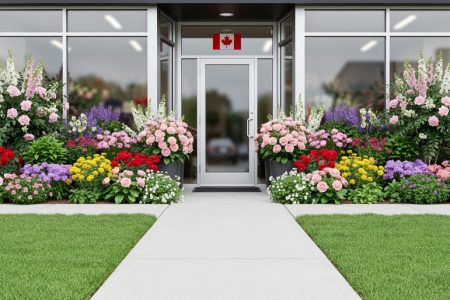
Lawn and landscape services are the professional care of the outdoor spaces around a property: mowing, trimming, fertilizing, planting, pruning, seasonal…
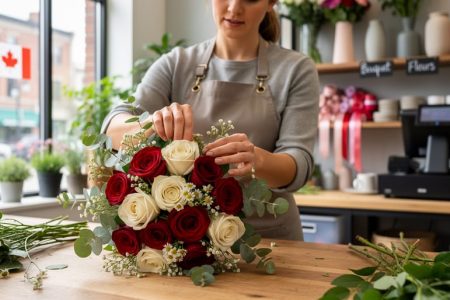
A complete business plan for a flower shop is a seven-part roadmap that defines your target market, projects revenue and expenses, outlines marketing strategies, and demonstrates to lenders or investors exactly how your floristry business will become profitable. For Canadian florists entering a market worth over $1.2 billion annually, this document transforms a creative passion into a financially viable enterprise by addressing operational logistics, competitive positioning, and cash flow management specific to perishable inventory.
Key Takeaway: Your flower shop business plan serves dual …
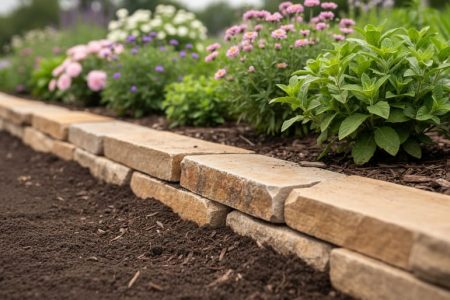
You can create professional-looking garden edging for under $50 using repurposed materials, natural stone, or simple lumber techniques that take just a few hours to install. Whether you’re establishing flower beds for a floristry course project or building a sustainable cut flower garden for your business, economical edging delivers clean borders, weed suppression, and structural definition without the premium price tag of commercial systems.
The best…
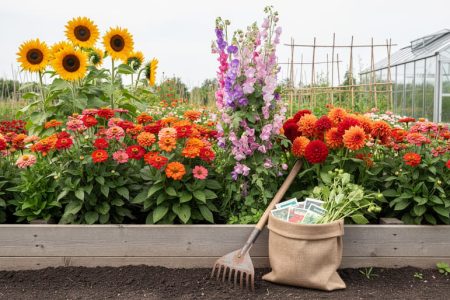
Growing cut flowers for your garden or small floral business requires just ten proven, budget-friendly plants that cost between $2 and $15 to start, deliver multiple flushes of blooms per season, and propagate easily to expand your stock without additional investment. These workhorses of the cutting garden, including zinnias, sunflowers, dahlias, and sweet peas, thrive in Canadian growing zones and offer the combination of low entry cost, high stem count, and market appeal that makes them profitable for aspiring florists and satisfying for home gardeners.
The economics of flower growing change dramatically when you choose varieties …
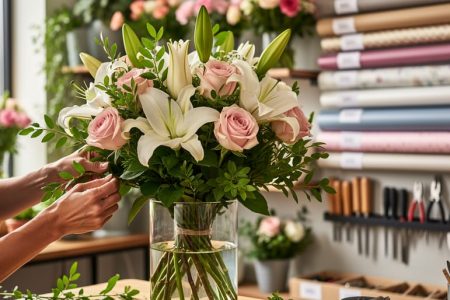
Florist salaries in Canada typically range from $28,000 to $45,000 annually for employed florists in 2026, with experienced designers and shop owners earning significantly more through specialized services, event work, and business ownership. These figures reflect entry-level positions through mid-career roles, but your actual earnings will depend heavily on your location, skill level, employment type, and whether you work for someone else or run your own floral business.
Understanding what you can realistically earn as a florist matters because this career demands …

Opening your flower shop is a huge step with big responsibilities and risks. Nevertheless, it may also bring big opportunities to earn money and widen one’s connections.
Here are the things you must consider before starting a flower shop:
Do you have enough skills and experience?
Do you have enough skills and knowledge to sustain a flower shop business? Floristry takes talent and sufficient hands-on experience to succeed in the field. Go to school and enroll in a course that deals with floristry. Ask for more information from experts and professionals or those who have flower shops.
You may also work for one…

This section will help you pick the most excellent florist school for you. Choose a school that you feel comfortable going into and one that guarantees top-quality education. Remember to keep these factors in check while making your decision:
Proximity
Ideally, if you want to save on travel expenses then you must find a school that is near your house. This will save you from the unnecessary hassle of commuting.
Teaching Staff
Make sure to enroll in a school with state-of-the-art instructors. It is best to learn from the best in the field.
…

A florist’s average salary is generally less than the average. New florists are usually paid the minimum wage. Compensation would depend on several factors like the level of experience and location.
The Bureau of Labor and Statistics reported that the average mean wage of florists is $27,750 with an hourly pay of approximately $13.34.
Self-employed Florist Versus the Employed
Around 31% of florists in 2010 were self-employed as recorded by the Bureau of Labor Statistics. This is because being your boss usually pays higher …