
Lawn and landscape services are the professional care of the outdoor spaces around a property: mowing, trimming, fertilizing, planting, pruning, seasonal cleanups, and in colder regions like ours, snow clearing and spring recovery work. For a floral business, they matter because your exterior is the first bouquet a customer sees. A tidy lawn, healthy planters, and crisp edges signal the same care you promise inside the shop.
Most Canadian florists choose between handling the work themselves and hiring a contractor, and the right answer depends on your hours, your budget, and how much your storefront or studio relies on curb appeal. Maintenance needs shift sharply from the spring thaw to the first hard frost, so the best arrangements are flexible and scheduled around those seasons.
In this guide, we’ll define what each service includes, weigh the benefits, compare DIY with professional options, and walk through how to pick a provider and set a realistic budget. You’ll also find answers to common questions. Running a floral business means wearing many hats, and you don’t have to figure out every one alone. If you’d like a mentor in your corner as you make these decisions, we’re glad to connect you with experienced Canadian florists who’ve been there.
What Lawn and Landscape Services Actually Include
Everyday Lawn Care
Mowing is the heart of everyday lawn care. Cutting grass regularly, ideally without removing more than a third of the blade at once, keeps it dense and helps crowd out weeds. Trimming and edging come next. A string trimmer tidies the spots a mower can’t reach, while crisp edges along walkways and beds give the whole property a polished look, which is exactly what you want near a shop entrance.
Fertilizing feeds the lawn so it stays thick and green. Many providers time applications to the season, since Canadian lawns have different needs in spring than in fall. Weed control, whether by hand, spot treatment, or a preventive product, stops dandelions and crabgrass from taking over.
Aeration is the one many beginners haven’t heard of. It simply means pulling small plugs of soil from the lawn so air, water, and nutrients reach the roots. Compacted soil is a common reason lawns look tired, and a yearly aeration often brings them back.

Landscape Bed and Garden Care
Garden beds do a lot of quiet work around a flower business. Landscape bed care covers planting, pruning, mulching, weeding, and swapping plants as the seasons turn. Planting is where it starts, and choosing budget-friendly garden plants lets you build colour and texture without overspending.
Pruning keeps shrubs and perennials shaped and encourages fuller blooms, while a fresh layer of mulch holds moisture, steadies soil temperature, and keeps weeds down. Weeding the beds regularly stops unwanted growth from crowding out the plants you chose on purpose.
Seasonal rotation is where florists can really shine. Tulips and daffodils greet spring customers, peonies and dahlias carry summer, and ornamental grasses or asters take over in fall. Treat each bed as a living display, a preview of the seasonal stems you offer inside, and passersby get a reason to step through your door.

Seasonal and Specialty Services
Canada’s four distinct seasons shape what your grounds need and when, so timing matters as much as the service itself.
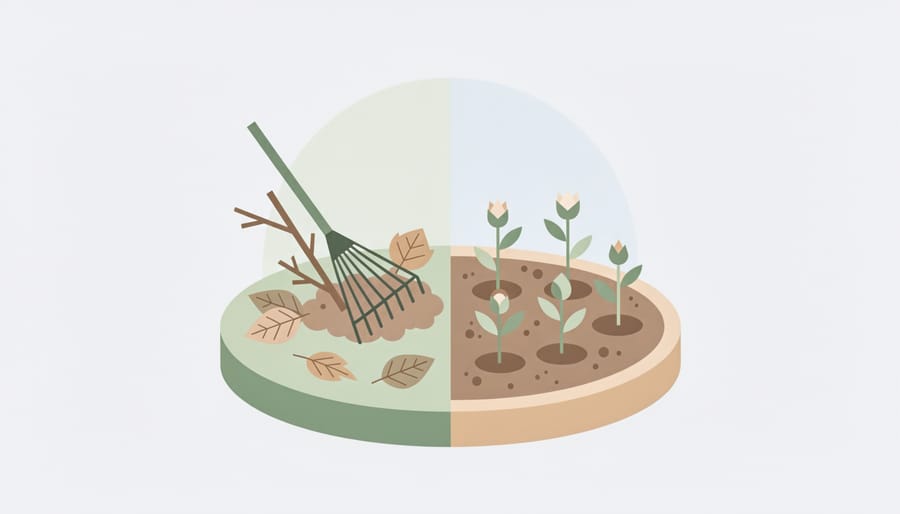
Spring cleanups come first. Once the snow melts, crews clear debris, rake away matted leaves, and cut back dead growth, which helps beds and lawns wake up healthy. Fall leaf removal does the opposite job: it keeps wet leaves from smothering grass and keeps walkways safe and inviting for customers.
Snow and ice management deserves special attention if you welcome visitors to a shop or studio. Clear, salted entrances protect people and show you care about their experience, and many providers offer seasonal plans so you aren’t scrambling after a storm.
Irrigation checks in spring confirm your system survived winter without cracked lines or leaks. In fall, winterizing, which means draining and blowing out irrigation lines, prevents costly freeze damage. Winterizing can also include protecting shrubs and perennials, so your planted beds return strong in the new season.
Why Curb Appeal Matters for a Floral Business

Your grounds are often the first thing a customer notices, long before they smell a single peony or admire a bouquet. For a flower shop, studio, or farm stand, the outdoor space works like a silent salesperson. It tells people what to expect inside before you’ve said a word.
Think about how quickly someone forms an impression. A shopper pulling into your lot or walking up your path takes in the lawn, the entrance, and the plantings within seconds. If the grass is tidy, the edges are crisp, and a few healthy plants greet them at the door, they assume the same care goes into your arrangements. If the beds are overrun with weeds or the walkway is cluttered with last season’s leaves, they may wonder whether your flowers are as neglected. That’s not always fair, but it’s how people naturally read a business.
This is where brand credibility comes in. As a florist, you’re selling something alive, beautiful, and carefully tended. Grounds that thrive reinforce that promise. A well-kept front garden can even act as a living portfolio, showing seasonal colour, texture, and your eye for design to anyone passing by. For home-based studios and farm stands, it can be the difference between a visitor feeling confident and feeling unsure.
Safety matters too, and it’s an easy detail to overlook. Uneven pavers, overgrown shrubs that block sightlines, slippery leaves in the fall, and icy steps through a Canadian winter can all put customers at risk. Keeping walkways clear and entrances well maintained protects the people who visit you and shows that you take their wellbeing seriously.
The encouraging part is that you don’t need a grand landscape to make an impression. Small, consistent steps go a long way: mowing on a regular schedule, sweeping the entrance, trimming back overgrowth, and refreshing a pot or two with seasonal blooms. These simple habits build trust over time, and that trust carries straight through the door and into every order you fill.
Hiring a Professional vs. Handling It Yourself
When DIY Makes Sense
If you run a small home-based studio or a compact flower shop with only a patch of lawn or a few planter boxes, handling the upkeep yourself can be a smart, practical choice. A modest front yard might need just thirty minutes of mowing and tidying each week, which is easy to fit between design orders. DIY also suits the start-up stage, when every dollar is better spent on buckets, stems, and a reliable cooler.
You don’t need a shed full of equipment to get going. A basic push mower or battery-powered trimmer, a pair of sharp pruners, a sturdy rake, and a good pair of gloves will cover most small spaces. Add a hose with an adjustable nozzle and a wheelbarrow, and you’re set for the season.
Many florists find the work rewarding, too. Tending your own beds lets you test out foliage and blooms you might later use in arrangements.
When to Call in the Pros
If your grounds have outgrown your free hours, it may be time to bring in help. A larger property, such as a shop with a front lawn, side beds, and a parking area, can easily swallow a weekend, and that’s time better spent on arrangements and customers.
Timing matters too. Valentine’s Day and Mother’s Day are among the busiest stretches in floristry, and nobody has spare hours to edge a lawn while orders stack up. A professional crew keeps the exterior looking sharp while you focus on the work that earns your income.
Specialty jobs are another clear signal. Irrigation systems need proper checks to avoid leaks and wasted water, and tree care, including pruning large limbs near walkways or power lines, calls for trained people with the right equipment and insurance. Heavy snow clearing in a Canadian winter also deserves reliable, scheduled support, since customer safety depends on it.
If any of these sound familiar, hiring out isn’t a step back. It’s a smart way to protect your energy.
How to Choose the Right Lawn and Landscape Service in Canada
Questions to Ask Before You Sign
Before you commit, a few focused questions can save you headaches later.
Start with scope: exactly which tasks are included in each visit, and what counts as an extra? Ask about scheduling too, such as how often crews come, how they handle rain delays, and whether they can adjust timing around your busiest floral weeks.
Then turn to pricing. Is the quote per visit, a seasonal package, or an annual contract, and are there fees for add-ons like cleanups or snow clearing? Ask to see the cancellation terms in writing.
Insurance matters because crews work on your property. Request proof of liability coverage, and ask whether workers are covered by your province’s workers’ compensation board.
Finally, ask how they use pesticides and fertilizers near flowering beds, herbs, or pollinator-friendly plantings. A thoughtful provider should be able to explain how they target treatments, avoid spraying when bees are active, and offer lower-impact options. If you grow flowers you sell or photograph, that answer is worth listening to closely.
Budgeting for Lawn and Landscape Maintenance
Lawn and landscape services are usually priced in one of three ways. A per-visit rate suits occasional jobs like a spring cleanup or a one-off trim. Seasonal packages bundle regular mowing, edging, and fertilizing for the growing months. Annual contracts spread costs across the year and often add snow and ice management, which matters across much of Canada.
Several factors shape what you’ll pay. Property size and how steep or awkward it is to mow, the number of garden beds, and how often you want visits all play a part. Specialty work such as irrigation checks, tree pruning, or heavy leaf removal costs extra, and so does a provider’s insurance and equipment. Your region’s climate also matters, since a longer snow season changes what a year of care involves.
Rather than guessing at figures, gather two or three local quotes and compare exactly what each includes. A lower price that skips edging or bed weeding may not save you much in the end.
When you fold outdoor care into your operating budget, treat it like any other recurring expense, such as utilities or packaging. Give it its own line, and plan for higher spending in peak weeks like Valentine’s Day and Mother’s Day, when a polished exterior counts most. If you’re drafting your numbers now, our guide to business plan budgeting shows where expenses like this fit.
You can also keep costs steady by planting smart. Filling beds with quick growing annuals gives you colour for your frontage without a large landscaping investment.
Common Questions About Lawn and Landscape Services
Running a flower business means your to-do list is already long, so it’s natural to have questions about outdoor care. Here are the ones new and established florists ask most often.
How often do I need lawn and landscape services?
During the growing season, most properties benefit from a weekly or biweekly visit for mowing, trimming, and tidying, while beds may only need attention every few weeks. In shoulder seasons and winter, visits shift to cleanups, leaf removal, or snow and ice management as the weather requires.
Can my landscaping double as a source of cut flowers?
Absolutely, and many florists love this approach. Planting perennials, shrubs with interesting foliage, and hardy annuals in your beds can give you stems for arrangements while keeping the grounds looking lovely. Just let your provider know which plants are for cutting so they prune and fertilize with that in mind.
How does weather affect service schedules?
Heavy rain, late frosts, and heat waves can all push visits back, and that’s completely normal across Canada. A good provider will reschedule promptly and let you know, so ask upfront how they handle weather delays during busy floral seasons.
How can I maintain my garden sustainably?
Simple habits go a long way, such as mulching to hold moisture, choosing native or climate-hardy plants, and watering deeply but less often. You can also ask your provider about reduced-chemical options, especially if you grow pollinator-friendly blooms.
If a question isn’t covered here, don’t hesitate to ask a prospective provider directly. A reputable service will be glad to walk you through how they work and what to expect. Every business is different, so the right routine is the one that fits your space, your season, and your budget. Starting with a few simple questions is a great way to build confidence as you make these decisions.
Consistent lawn and landscape maintenance does a quiet but powerful job for your floral business. A trimmed lawn, tidy beds, and clear walkways tell customers that you care about the details before they ever step inside. That same care shows up in every bouquet you design, and people notice the connection.
You don’t need to do everything at once. If you’re just starting out, begin with one small habit, like a weekly tidy of the entrance or a seasonal cleanup on your calendar. As your shop grows and your schedule fills up, you can add services, bring in a professional crew for the heavy lifting, or build outdoor displays that double as a living showroom. A routine that fits your current stage will serve you far better than an ambitious plan you can’t keep up with.
Remember, too, that the outside of your business is only one piece of the puzzle. Running a flower shop in Canada means balancing creativity with budgeting, seasonal demand, and the practical know-how to keep everything running smoothly. If you’re still building your skills, it helps to choose the right course so your training supports the business you want to create.
You also don’t have to figure it all out alone. Tadine offers mentorship opportunities and resources designed for aspiring and established florists across Canada, with practical guidance on starting and running a flower shop. Explore what’s available, take the next small step, and let your business grounds, and your confidence, keep growing.